Avtor VB | Foto: stock.adobe.com 6:34 dop KULINARIKA IN RECEPTI

5 idej, kako porabiti domače paprike: od polnjenih paprik do domačega ajvarja

Ko je vrt poln dobrot, je poln. In zato začenjamo s serijo idej, kako porabiti (in shraniti) domače pridelke na višku sezone. 

Ko na vrtu dozorijo paprike, jih je pogosto več, kot jih lahko porabimo sproti. 

Sveže so odlične v solatah, dobro pa se obnesejo tudi pri pečenju, vlaganju ali pripravi ozimnice. Če se sprašujete, kaj skuhati iz domačih paprik, je tukaj pet preprostih idej.

Sveže paprike bodo v predalu za zelenjavo v hladilniku zdržale približno teden dni. Če jih je na vrtu res veliko, jih lahko narežete in zamrznete, spečete ter zamrznete olupljene ali pa iz njih pripravite ajvar, vložene paprike oziroma druge ozimnične dobrote.

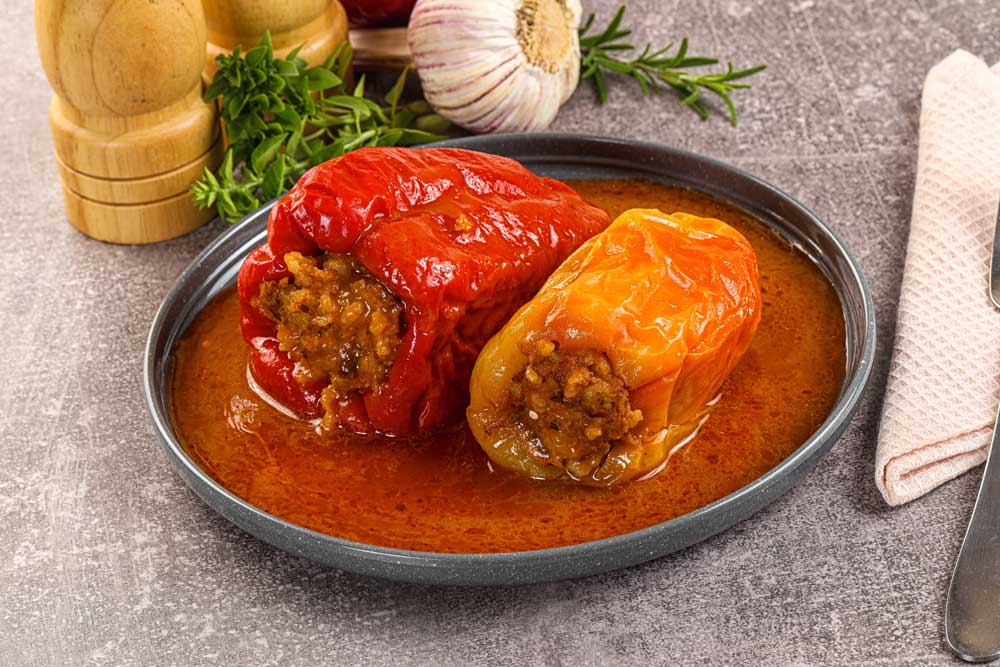
1. Polnjene paprike
stock.adobe.com

Ena najbolj priljubljenih jedi poleti in zgodaj jeseni.

Potrebujete:
  • 6 paprik
  • 500 g mletega mesa
  • 100 g riža
  • 1 čebulo
  • 2 stroka česna
  • sol, poper
  • paradižnikovo omako
Priprava:

Riž na pol skuhamo. Zmešamo ga z mesom, drobno sesekljano čebulo, česnom in začimbami. Z nadevom napolnimo paprike, jih položimo v lonec, prelijemo s paradižnikovo omako in kuhamo približno eno uro.

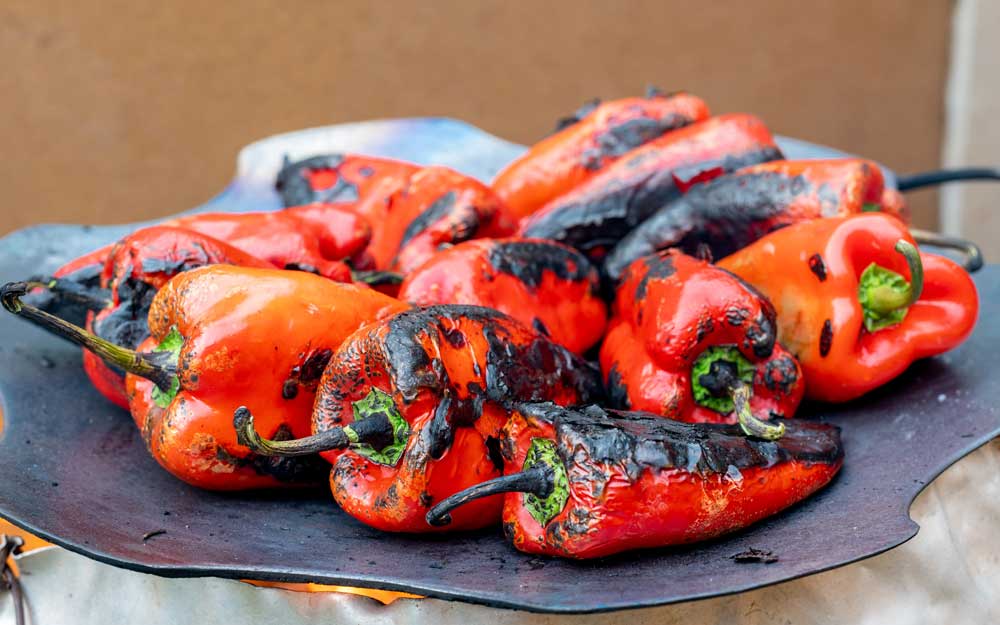
2. Pečene paprike
stock.adobe.com

Pečene paprike so odlična priloga ali osnova za številne jedi.

Priprava:

Paprike spečemo v pečici pri 220 °C ali na žaru, dokler lupina ne počrni. Zapremo jih v posodo ali vrečko za deset minut, nato olupimo. Pokapamo z oljčnim oljem, dodamo česen, peteršilj in nekaj kapljic kisa.

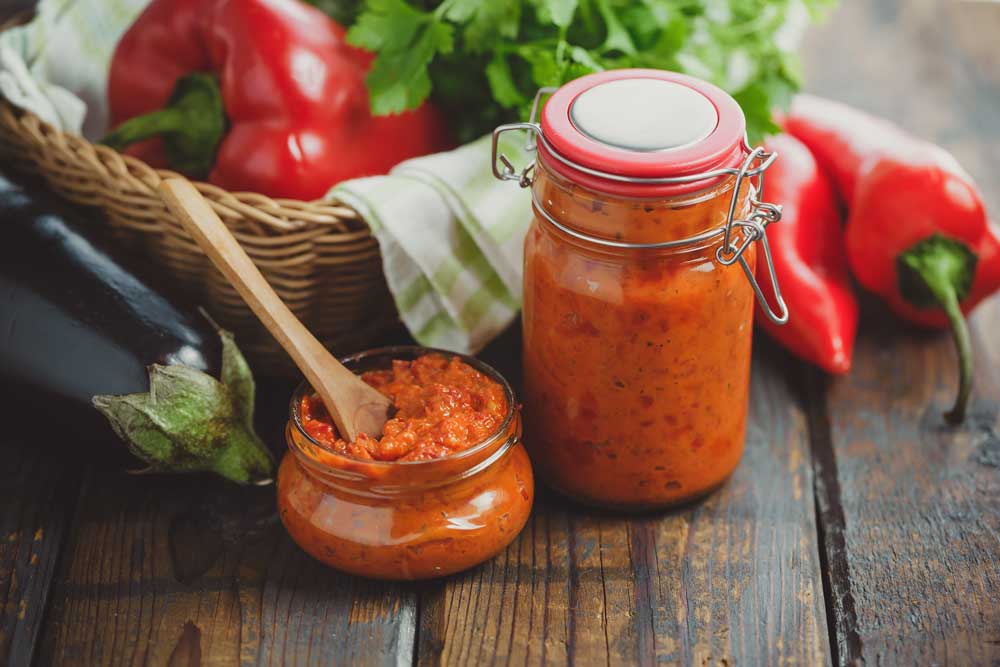
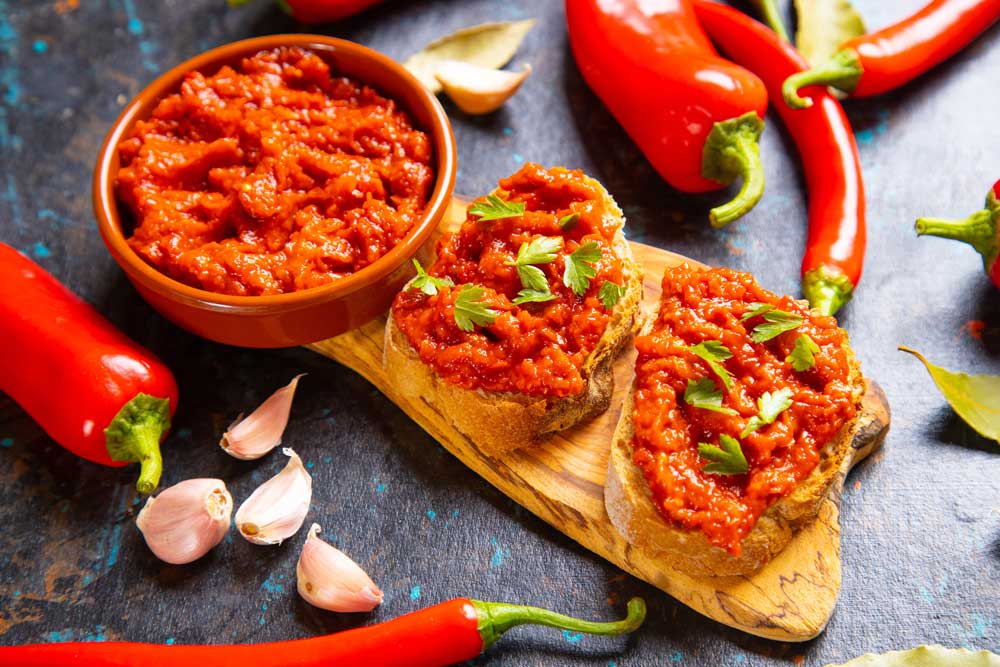
3. Domači ajvar
stock.adobe.com

Če imate večjo količino paprik, je ajvar ena najboljših možnosti za ozimnico.

Potrebujete:
  • 3 kg rdečih paprik
  • 1 kg jajčevcev
  • 2 dl olja
  • 3–4 stroke česna
  • sol
  • malo kisa po želji
Priprava:

Paprike in jajčevce spečemo, olupimo in zmeljemo ali drobno sesekljamo. Maso med stalnim mešanjem kuhamo približno uro do uro in pol. Dodamo olje, česen, sol in po želji malo kisa. Vroč ajvar napolnimo v sterilizirane kozarce in jih dobro zapremo.

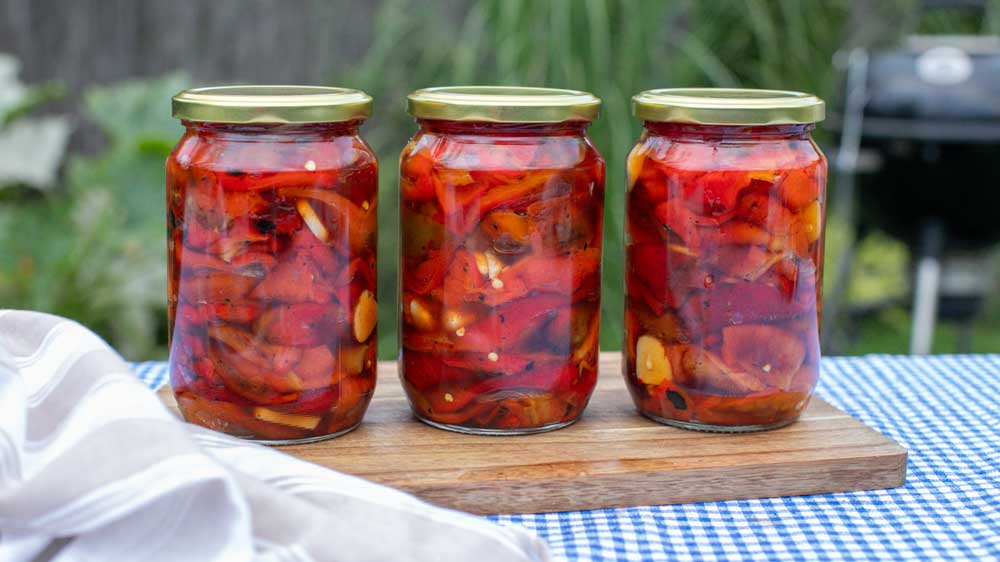
4. Paprika v kisu
stock.adobe.com

Vložene paprike ostanejo uporabne več mesecev.

Potrebujete:
  • paprike
  • 1 l vode
  • 5 dl alkoholnega kisa
  • 50 g sladkorja
  • 30 g soli
  • nekaj poprovih zrn in lovorjev list
Priprava:

Paprike narežemo, na kratko blanširamo in zložimo v kozarce. Prelijemo jih z vročo kisovo mešanico ter kozarce dobro zapremo.

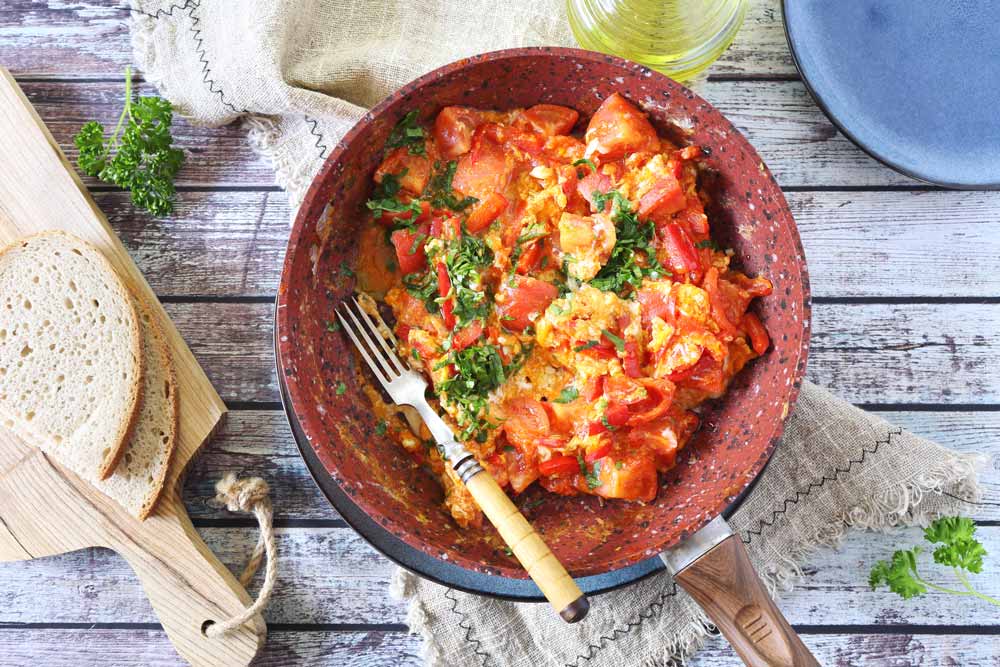
5. Sataraš
stock.adobe.com

Preprosta poletna jed iz sezonske zelenjave.

Potrebujete:
  • 3 paprike
  • 4 paradižnike
  • 1 čebulo
  • olje
  • sol in poper
  • po želji jajca
Priprava:

Na olju prepražimo čebulo, dodamo narezane paprike in jih dušimo nekaj minut. Primešamo paradižnik ter kuhamo, dokler se zelenjava ne zmehča. Po želji vmešamo še jajca in na hitro premešamo.


Preberite tudi: Polnjene paprike na 3 načine
(Visited 1 times, 1 visits today)
Close

Center Nastavitev Zasebnosti

Obvezni piškotki

Shranijo uporabnikovo odločitev glede sprejemanja piškotkov.

gdpr[allowed_cookies], gdpr[consent_types]: beleži uporabniško odločitev glede sprejetja ali zavrnitev uporabe piškotkov. Veljavnost: 1 leto.

Socialna omrežja

Facebook vtičnik; za povečanje sodelovanja naših uporabnikov preko družbenih omrežij, analizo prodaje, segmentacijo uporabnikov in ponovno targetiranje uporabnikov

c_user, datr, fr, pl, presence, sb, wd, xs, pnl_data2, act

Analitika

Analitika nam omogoča, da merimo število uporabnikov v obliki obiskov in klikov.

advanced_ads_browser_width, advanced_ads_page_impressions, advanced_ads_pro_server_info, advanced_ads_pro_visitor_referrer
_ga: merjenje obiskanosti s storitvijo Google Analytics. Veljavnost: 2 leti. _gat: piškotek ne hrani uporabniških podatkov, uporablja se za omejevanje pogostosti zadetkov pri merjenju obiskanosti strani s storitvijo Google Analytics. Veljavnost: 10 minut. _gid: naključno ustvarjeno unikatno število se uporablja za izračun podatkov o obisku našega spletnega mesta. s storitvijo Google Analytics. Veljavnost: 24 ur.

Analiza obiska

To function properly, Hotjar stores first-party cookies on your visitor's browser. Cookies are either set by the Hotjar script, or by visiting Hotjar's website. Displaying the correct content to your visitors without personally identifying anyone relies on Hotjar's cookies.

_hjClosedSurveyInvites Hotjar cookie. This cookie is set once a visitor interacts with a Survey invitation modal popup. It is used to ensure that the same invite does not re-appear if it has already been shown. 365 days _hjDonePolls Hotjar cookie. This cookie is set once a visitor completes a poll using the Feedback Poll widget. It is used to ensure that the same poll does not re-appear if it has already been filled in. 365 days _hjMinimizedPolls Hotjar cookie. This cookie is set once a visitor minimizes a Feedback Poll widget. It is used to ensure that the widget stays minimizes when the visitor navigates through your site. 365 days _hjDoneTestersWidgets Hotjar cookie. This cookie is set once a visitor submits their information in the Recruit User Testers widget. It is used to ensure that the same form does not re-appear if it has already been filled in. 365 days _hjIncludedInSample Hotjar cookie. This session cookie is set to let Hotjar know whether that visitor is included in the sample which is used to generate funnels. 365 days _hjShownFeedbackMessage This cookie is set when a visitor minimizes or completes Incoming Feedback. This is done so that the Incoming Feedback will load as minimized immediately if they navigate to another page where it is set to show. 365 days _hjid Hotjar cookie. This cookie is set when the customer first lands on a page with the Hotjar script. It is used to persist the Hotjar User ID, unique to that site on the browser. This ensures that behavior in subsequent visits to the same site will be attributed to the same user ID. 365 days _hjRecordingLastActivity This should be found in sessionStorage (as opposed to cookies). This gets updated when a visitor recording starts and when data is sent through the WebSocket (the visitor performs an action that Hotjar records). Session hjTLDTest When the Hotjar script executes we try to determine the most generic cookie path we should use, instead of the page hostname. This is done so that cookies can be shared across subdomains (where applicable). To determine this, we try to store the _hjTLDTest cookie for different URL substring alternatives until it fails. After this check, the cookie is removed. Session _hjUserAttributesHash User Attributes sent through the Hotjar Identify API are cached for the duration of the session in order to know when an attribute has changed and needs to be updated. Session _hjCachedUserAttributes This cookie stores User Attributes which are sent through the Hotjar Identify API, whenever the user is not in the sample. These attributes will only be saved if the user interacts with a Hotjar Feedback tool. Session _hjLocalStorageTest This cookie is used to check if the Hotjar Tracking Script can use local storage. If it can, a value of 1 is set in this cookie. The data stored in_hjLocalStorageTest has no expiration time, but it is deleted immediately after creating it so the expected storage time is under 100ms. N/A _hjptid This cookie is set for logged in users of Hotjar, who have Admin Team Member permissions. It is used during pricing experiments to show the Admin consistent pricing across the site. Session _hjAbsoluteSessionInProgress The cookie is set so Hotjar can track the beginning of the user's journey for a total session count. It does not contain any identifiable information. 30 minutes