3:12 pop AKTUALNO

Ptice v Sloveniji gnezdijo vse prej: spremembe dostopnosti hrane v naravi pa so hitrejše

V Sloveniji in širše po Evropi ornitologi že več let opozarjajo na spremembe v časovnici gnezdenja ptic, ki postajajo vse bolj očitne tudi v vsakdanjem okolju.

Letošnja pomlad to še dodatno potrjuje, saj številne vrste začenjajo z gnezdenjem prej kot v preteklosti. Premiki so pogosto le za nekaj dni, vendar imajo lahko pomembne posledice za njihov življenjski cikel.

Zgodnejša pomlad, zgodnejše gnezdenje

Zgodnejše gnezdenje je povezano predvsem z milejšimi zimami in hitrejšim prehodom v pomlad. Temperature se dvignejo prej, vegetacija se začne razvijati hitreje, s tem pa se spremeni tudi razpoložljivost hrane.

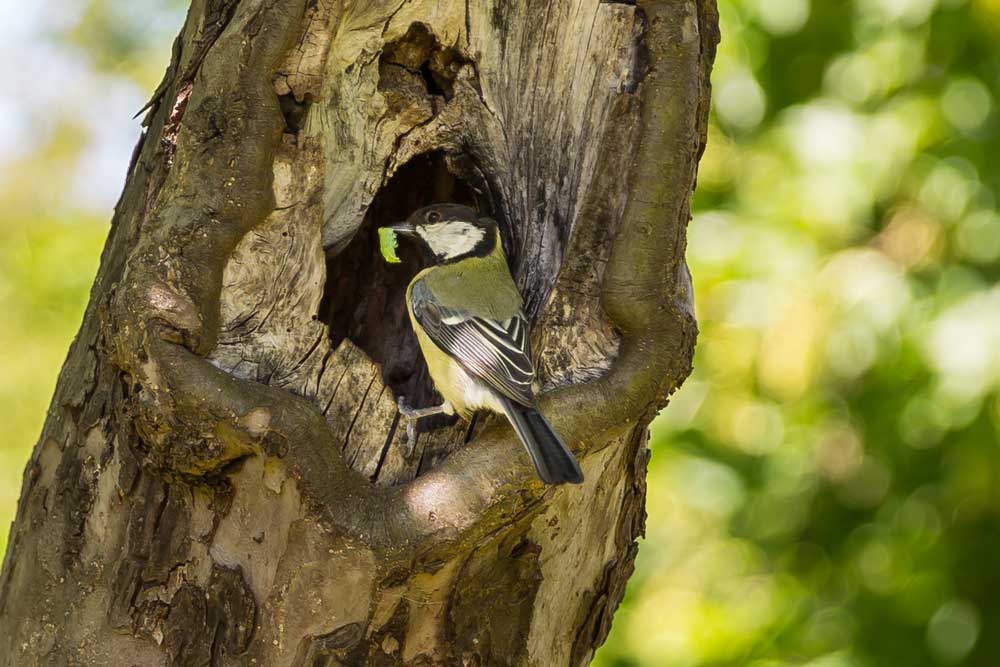
Kot opozarjajo pri DOPPS, so pri tem še posebej občutljive žužkojede vrste, kot so sinice in kosi, saj je njihov uspeh pri vzreji mladičev neposredno odvisen od obilja žuželk. Če se žuželke pojavijo prej, se ptice temu prilagodijo in začnejo gnezditi prej, da bi ujele najbolj ugoden trenutek.

Ker se gosenice pojavijo takoj, ko se začno določene temperature, se ptice ne morejo prilagoditi dovolj hitro, kljub temu da gnezdijo prej. V času, ko mladiči potrebujejo mehko in visoko proteinsko hrano, ki jo predstavljajo gosenice, pa teh ni več (dovolj).

Ko se naravni ritmi ne ujemajo več

Eden ključnih izzivov za ptice je časovno usklajevanje med izvalitvijo mladičev in vrhuncem razpoložljivosti hrane.

Če se ti procesi ne ujemajo več, lahko pride do pomanjkanja hrane v najbolj občutljivem obdobju razvoja. Mladiči, ki se izležejo prezgodaj ali prepozno glede na razpoložljivost žuželk, imajo manj možnosti za preživetje. Takšne spremembe so na prvi pogled neopazne, vendar lahko dolgoročno vplivajo na velikost populacij.

Tveganje predstavljajo tudi vremenski ekstremi

Dodaten dejavnik tveganja predstavljajo nenadne vremenske spremembe. Zgodnejša pomlad pogosto ne pomeni stabilnega vremena, zato lahko pozne ohladitve ali daljša obdobja dežja močno vplivajo ne le na pridelke, temveč tudi na uspešnost gnezdenja.

Mladiči so v zgodnjih fazah razvoja zelo občutljivi, starši pa v neugodnih razmerah težje najdejo dovolj hrane, kar lahko zmanjša uspešnost legla.

Gnezdenje ptic na vrtu

Strokovnjaki zato opozarjajo, da čas gnezdenja ni primeren za večje posege na vrtu. Obrezovanje ali odstranjevanje goste vegetacije lahko uniči gnezda ali vznemiri ptice v ključnem obdobju.

Pomembno je tudi, da imajo ptice dostop do vode in mirno okolje.
(Visited 42 times, 42 visits today)
Close

Center Nastavitev Zasebnosti

Obvezni piškotki

Shranijo uporabnikovo odločitev glede sprejemanja piškotkov.

gdpr[allowed_cookies], gdpr[consent_types]: beleži uporabniško odločitev glede sprejetja ali zavrnitev uporabe piškotkov. Veljavnost: 1 leto.

Socialna omrežja

Facebook vtičnik; za povečanje sodelovanja naših uporabnikov preko družbenih omrežij, analizo prodaje, segmentacijo uporabnikov in ponovno targetiranje uporabnikov

c_user, datr, fr, pl, presence, sb, wd, xs, pnl_data2, act

Analitika

Analitika nam omogoča, da merimo število uporabnikov v obliki obiskov in klikov.

advanced_ads_browser_width, advanced_ads_page_impressions, advanced_ads_pro_server_info, advanced_ads_pro_visitor_referrer
_ga: merjenje obiskanosti s storitvijo Google Analytics. Veljavnost: 2 leti. _gat: piškotek ne hrani uporabniških podatkov, uporablja se za omejevanje pogostosti zadetkov pri merjenju obiskanosti strani s storitvijo Google Analytics. Veljavnost: 10 minut. _gid: naključno ustvarjeno unikatno število se uporablja za izračun podatkov o obisku našega spletnega mesta. s storitvijo Google Analytics. Veljavnost: 24 ur.

Analiza obiska

To function properly, Hotjar stores first-party cookies on your visitor's browser. Cookies are either set by the Hotjar script, or by visiting Hotjar's website. Displaying the correct content to your visitors without personally identifying anyone relies on Hotjar's cookies.

_hjClosedSurveyInvites Hotjar cookie. This cookie is set once a visitor interacts with a Survey invitation modal popup. It is used to ensure that the same invite does not re-appear if it has already been shown. 365 days _hjDonePolls Hotjar cookie. This cookie is set once a visitor completes a poll using the Feedback Poll widget. It is used to ensure that the same poll does not re-appear if it has already been filled in. 365 days _hjMinimizedPolls Hotjar cookie. This cookie is set once a visitor minimizes a Feedback Poll widget. It is used to ensure that the widget stays minimizes when the visitor navigates through your site. 365 days _hjDoneTestersWidgets Hotjar cookie. This cookie is set once a visitor submits their information in the Recruit User Testers widget. It is used to ensure that the same form does not re-appear if it has already been filled in. 365 days _hjIncludedInSample Hotjar cookie. This session cookie is set to let Hotjar know whether that visitor is included in the sample which is used to generate funnels. 365 days _hjShownFeedbackMessage This cookie is set when a visitor minimizes or completes Incoming Feedback. This is done so that the Incoming Feedback will load as minimized immediately if they navigate to another page where it is set to show. 365 days _hjid Hotjar cookie. This cookie is set when the customer first lands on a page with the Hotjar script. It is used to persist the Hotjar User ID, unique to that site on the browser. This ensures that behavior in subsequent visits to the same site will be attributed to the same user ID. 365 days _hjRecordingLastActivity This should be found in sessionStorage (as opposed to cookies). This gets updated when a visitor recording starts and when data is sent through the WebSocket (the visitor performs an action that Hotjar records). Session hjTLDTest When the Hotjar script executes we try to determine the most generic cookie path we should use, instead of the page hostname. This is done so that cookies can be shared across subdomains (where applicable). To determine this, we try to store the _hjTLDTest cookie for different URL substring alternatives until it fails. After this check, the cookie is removed. Session _hjUserAttributesHash User Attributes sent through the Hotjar Identify API are cached for the duration of the session in order to know when an attribute has changed and needs to be updated. Session _hjCachedUserAttributes This cookie stores User Attributes which are sent through the Hotjar Identify API, whenever the user is not in the sample. These attributes will only be saved if the user interacts with a Hotjar Feedback tool. Session _hjLocalStorageTest This cookie is used to check if the Hotjar Tracking Script can use local storage. If it can, a value of 1 is set in this cookie. The data stored in_hjLocalStorageTest has no expiration time, but it is deleted immediately after creating it so the expected storage time is under 100ms. N/A _hjptid This cookie is set for logged in users of Hotjar, who have Admin Team Member permissions. It is used during pricing experiments to show the Admin consistent pricing across the site. Session _hjAbsoluteSessionInProgress The cookie is set so Hotjar can track the beginning of the user's journey for a total session count. It does not contain any identifiable information. 30 minutes