Avtor VB | Foto: stock.adobe.com 6:51 dop AKTUALNO

V večini evropskih jagod “koktajl” pesticidov, med njimi PFAS in hormonski motilci

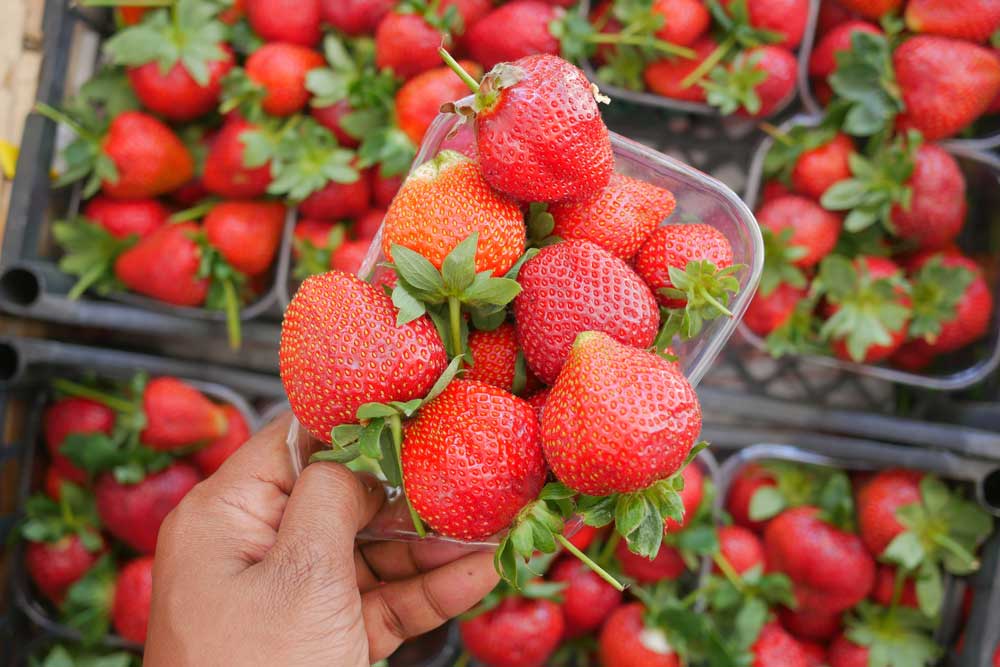
Nova analiza organizacije Pesticide Action Network (PAN Europe) je pokazala, da so ostanki pesticidov prisotni v veliki večini pregledanih evropskih jagod.

PAN Europe je skupaj s partnerskimi organizacijami analiziral 41 vzorcev lokalno pridelanih jagod iz 11 držav EU.

Raziskovalci opozarjajo predvsem na kombinacije več različnih pesticidov, med katerimi so tudi PFAS pesticidi, hormonski motilci in nevrotoksične snovi. 

Jagode so tudi sicer znane kot en najbolj s strupenimi snovmi obremenjenih pridelkov.

A nove metode dokazujejo, da gre tudi brez strupov.

PFAS pesticidi v 58 odstotkih vzorcev

Posebno pozornost raziskava namenja tako imenovanim PFAS pesticidom, saj so jih našli v 58 % vseh vzorcev. PFAS spojine so znane po tem, da se zelo počasi razgrajujejo, zaradi česar jih pogosto imenujejo tudi “večne kemikalije”. 


Rezultati so pokazali:
  • 78 % običajno pridelanih jagod je vsebovalo ostanke vsaj enega pesticida.
  • 61 % vzorcev je vsebovalo dva ali več različnih pesticidov.
  • V povprečju je bila vsaka jagoda onesnažena s 3,5 različnimi pesticidi.
  • Rekorderji so vsebovali do 9 različnih ostankov pesticidov.
  • Le 22 % običajnih jagod ni vsebovalo merljivih ostankov pesticidov.

Vseh pet ekoloških oziroma posebej označenih vzorcev pa je bilo brez zaznavnih ostankov. 


Med najpogostejšimi tudi hormonska motilca

Najpogosteje odkriti učinkovini sta bili:

  • fludioksonil (39 % vzorcev),
  • ciprodinil (33 % vzorcev).

Obe sodita med pesticide, za katere PAN Europe opozarja, da imajo lastnosti endokrinih oziroma hormonskih motilcev. Poleg tega je 56 % vzorcev vsebovalo pesticide iz skupine t. i. “Candidates for Substitution” – najbolj problematičnih pesticidov, ki naj bi jih države članice EU postopoma nadomeščale z varnejšimi alternativami. 

V skoraj petini vzorcev tudi nevrotoksični pesticidi

Raziskovalci so ugotovili še, da je 17 % analiziranih jagod vsebovalo pesticide z nevrotoksičnim delovanjem, ki lahko vplivajo na razvoj živčnega sistema. Posebej izpostavljajo dejstvo, da jagode pogosto uživajo otroci, ki so na takšne snovi bolj občutljivi. 

stock.adobe.com

PAN Europe opozarja na “koktajl učinek” pesticidov

Po mnenju avtorjev raziskave največje vprašanje niso posamezni pesticidi, temveč njihova kombinacija.

V EU se namreč mejne vrednosti določajo za posamezne aktivne snovi, medtem ko vpliv sočasne izpostavljenosti več pesticidom – t. i. koktajl učinek – po navedbah PAN Europe še vedno ni ustrezno vključen v ocene tveganja. Organizacija opozarja, da je Evropska agencija za varnost hrane (EFSA) že leta 2005 dobila nalogo razviti metodologijo za ocenjevanje takšne skupne izpostavljenosti, vendar ta po njihovih navedbah še vedno ni v celoti uvedena. 

Kaj lahko storimo kupci jagod?

PAN Europe priporoča, da potrošniki – predvsem pri prehrani otrok in nosečnic – kadar je mogoče izbirajo ekološko pridelane jagode ali druge načine pridelave z manj pesticidi. Hkrati poziva evropske in nacionalne oblasti k hitrejšemu umikanju najbolj nevarnih pesticidov ter učinkovitejšemu izvajanju obstoječe zakonodaje. 

(Visited 145 times, 5 visits today)
Close

Center Nastavitev Zasebnosti

Obvezni piškotki

Shranijo uporabnikovo odločitev glede sprejemanja piškotkov.

gdpr[allowed_cookies], gdpr[consent_types]: beleži uporabniško odločitev glede sprejetja ali zavrnitev uporabe piškotkov. Veljavnost: 1 leto.

Socialna omrežja

Facebook vtičnik; za povečanje sodelovanja naših uporabnikov preko družbenih omrežij, analizo prodaje, segmentacijo uporabnikov in ponovno targetiranje uporabnikov

c_user, datr, fr, pl, presence, sb, wd, xs, pnl_data2, act

Analitika

Analitika nam omogoča, da merimo število uporabnikov v obliki obiskov in klikov.

advanced_ads_browser_width, advanced_ads_page_impressions, advanced_ads_pro_server_info, advanced_ads_pro_visitor_referrer
_ga: merjenje obiskanosti s storitvijo Google Analytics. Veljavnost: 2 leti. _gat: piškotek ne hrani uporabniških podatkov, uporablja se za omejevanje pogostosti zadetkov pri merjenju obiskanosti strani s storitvijo Google Analytics. Veljavnost: 10 minut. _gid: naključno ustvarjeno unikatno število se uporablja za izračun podatkov o obisku našega spletnega mesta. s storitvijo Google Analytics. Veljavnost: 24 ur.

Analiza obiska

To function properly, Hotjar stores first-party cookies on your visitor's browser. Cookies are either set by the Hotjar script, or by visiting Hotjar's website. Displaying the correct content to your visitors without personally identifying anyone relies on Hotjar's cookies.

_hjClosedSurveyInvites Hotjar cookie. This cookie is set once a visitor interacts with a Survey invitation modal popup. It is used to ensure that the same invite does not re-appear if it has already been shown. 365 days _hjDonePolls Hotjar cookie. This cookie is set once a visitor completes a poll using the Feedback Poll widget. It is used to ensure that the same poll does not re-appear if it has already been filled in. 365 days _hjMinimizedPolls Hotjar cookie. This cookie is set once a visitor minimizes a Feedback Poll widget. It is used to ensure that the widget stays minimizes when the visitor navigates through your site. 365 days _hjDoneTestersWidgets Hotjar cookie. This cookie is set once a visitor submits their information in the Recruit User Testers widget. It is used to ensure that the same form does not re-appear if it has already been filled in. 365 days _hjIncludedInSample Hotjar cookie. This session cookie is set to let Hotjar know whether that visitor is included in the sample which is used to generate funnels. 365 days _hjShownFeedbackMessage This cookie is set when a visitor minimizes or completes Incoming Feedback. This is done so that the Incoming Feedback will load as minimized immediately if they navigate to another page where it is set to show. 365 days _hjid Hotjar cookie. This cookie is set when the customer first lands on a page with the Hotjar script. It is used to persist the Hotjar User ID, unique to that site on the browser. This ensures that behavior in subsequent visits to the same site will be attributed to the same user ID. 365 days _hjRecordingLastActivity This should be found in sessionStorage (as opposed to cookies). This gets updated when a visitor recording starts and when data is sent through the WebSocket (the visitor performs an action that Hotjar records). Session hjTLDTest When the Hotjar script executes we try to determine the most generic cookie path we should use, instead of the page hostname. This is done so that cookies can be shared across subdomains (where applicable). To determine this, we try to store the _hjTLDTest cookie for different URL substring alternatives until it fails. After this check, the cookie is removed. Session _hjUserAttributesHash User Attributes sent through the Hotjar Identify API are cached for the duration of the session in order to know when an attribute has changed and needs to be updated. Session _hjCachedUserAttributes This cookie stores User Attributes which are sent through the Hotjar Identify API, whenever the user is not in the sample. These attributes will only be saved if the user interacts with a Hotjar Feedback tool. Session _hjLocalStorageTest This cookie is used to check if the Hotjar Tracking Script can use local storage. If it can, a value of 1 is set in this cookie. The data stored in_hjLocalStorageTest has no expiration time, but it is deleted immediately after creating it so the expected storage time is under 100ms. N/A _hjptid This cookie is set for logged in users of Hotjar, who have Admin Team Member permissions. It is used during pricing experiments to show the Admin consistent pricing across the site. Session _hjAbsoluteSessionInProgress The cookie is set so Hotjar can track the beginning of the user's journey for a total session count. It does not contain any identifiable information. 30 minutes