3:24 pop PROMET, Revija

Biometan – preprosta rešitev za povečanje obnovljivih virov v prometu

Direktiva (EU) 2018/2001 Evropskega parlamenta in Sveta z dne 11. decembra 2018 o spodbujanju uporabe energije iz obnovljivih virov določa, da morajo države članice zagotoviti, da delež energije iz obnovljivih virov v okviru končne porabe energije v prometnem sektorju do leta 2030 doseže vsaj 14 %. V Sloveniji za tem ciljem trenutno še veliko zaostajamo in nas na tem področju čaka še veliko dela.


Uporaba biometana v Evropi narašča

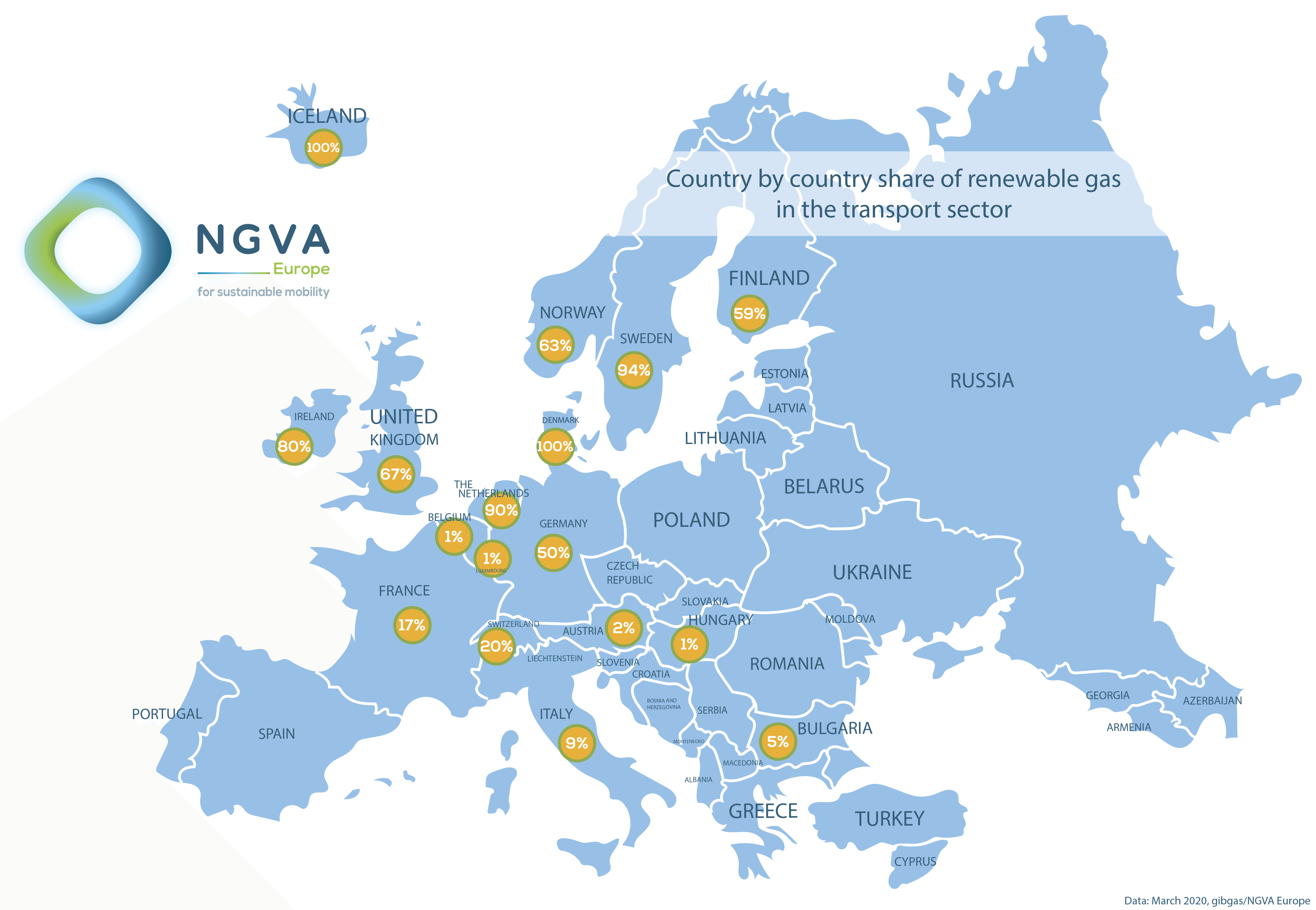
Združenje za zemeljski in obnovljiv plin v prometu (NGVA Europe) je objavilo podatke o uporabi biometana v sektorju cestnega prometa v Evropi. »Podatki kažejo, da obnovljiv plin predstavlja povprečno 17 odstotkov vsega plina, ki se uporablja kot transportno gorivo. Na vseh evropskih polnilnih postajah za plin (4.120) jih več kot 25 % dobavlja biometan,« so potrdili na združenju NGVA Europe. To je 17-% povprečje vsega plina v Evropi, ki se uporablja kot transportno gorivo. V nekaterih razvitih državah je ta odstotek izrazito visok: Švedska 94 %, Nizozemska 90 %, Norveška 63 %, Velika Britanija 67 %, Nemčija 50 %, kar je bistveno več, kot je cilj Evropske unije do leta 2030 glede deleža obnovljivih virov energije v prometu.

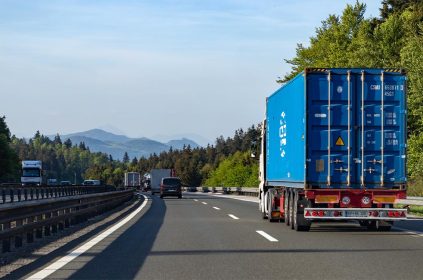
Biometan je popolnoma združljiv s trenutno infrastrukturo za plin in z vozili. Uvajanje biometana je ena izmed najboljših rešitev za pospeševanje obnovljivih virov energije v prometu in temelji tudi na krožnem gospodarstvu. V sektorju težkih tovorov je biometan vse večja resničnost in predvsem razpoložljiva tehnologija, ki lahko nadaljuje prodor na trg in prispeva k prehodu na nizkoogljični promet.


Biometan tudi v Sloveniji lahko veliko pripomore k trajnostnem prometu

Tudi Slovenija bo kmalu začela dodajati biometan v obstoječe plinovodno omrežje, kar je eden izmed ciljev Nacionalno energetskega in podnebnega načrta (NEPN). S tem bo omogočena tudi uporaba biometana v prometu.

Za večjo uporabo biometana v prometu pa bo morala Slovenija postaviti ustrezno infrastrukturo za polnjenje teh vozil. V skladu z zahtevami EU Direktive 2014/94/EU o vzpostavitvi infrastrukture za alternativna goriva bi morali imeti do 31. 12. 2020 javna polnilna mesta za plin vzpostavljena v naslednjih občinah: Ljubljana, Maribor, Ptuj, Celje, Kranj, Novo mesto, Nova Gorica, Koper, Murska Sobota, Slovenj Gradec in Velenje ter tri polnilna mesta v Zasavju kot degradiranem območju z onesnažili zraka.

Danes imamo javna polnilna mesta samo v Ljubljani (2-krat), Mariboru, Celju in na Jesenicah, kar pomeni, da nismo izpolnili zahtev direktive EU na tem področju.


(Visited 179 times, 1 visits today)
Close

Center Nastavitev Zasebnosti

Obvezni piškotki

Shranijo uporabnikovo odločitev glede sprejemanja piškotkov.

gdpr[allowed_cookies], gdpr[consent_types]: beleži uporabniško odločitev glede sprejetja ali zavrnitev uporabe piškotkov. Veljavnost: 1 leto.

Socialna omrežja

Facebook vtičnik; za povečanje sodelovanja naših uporabnikov preko družbenih omrežij, analizo prodaje, segmentacijo uporabnikov in ponovno targetiranje uporabnikov

c_user, datr, fr, pl, presence, sb, wd, xs, pnl_data2, act

Analitika

Analitika nam omogoča, da merimo število uporabnikov v obliki obiskov in klikov.

advanced_ads_browser_width, advanced_ads_page_impressions, advanced_ads_pro_server_info, advanced_ads_pro_visitor_referrer
_ga: merjenje obiskanosti s storitvijo Google Analytics. Veljavnost: 2 leti. _gat: piškotek ne hrani uporabniških podatkov, uporablja se za omejevanje pogostosti zadetkov pri merjenju obiskanosti strani s storitvijo Google Analytics. Veljavnost: 10 minut. _gid: naključno ustvarjeno unikatno število se uporablja za izračun podatkov o obisku našega spletnega mesta. s storitvijo Google Analytics. Veljavnost: 24 ur.

Analiza obiska

To function properly, Hotjar stores first-party cookies on your visitor's browser. Cookies are either set by the Hotjar script, or by visiting Hotjar's website. Displaying the correct content to your visitors without personally identifying anyone relies on Hotjar's cookies.

_hjClosedSurveyInvites Hotjar cookie. This cookie is set once a visitor interacts with a Survey invitation modal popup. It is used to ensure that the same invite does not re-appear if it has already been shown. 365 days _hjDonePolls Hotjar cookie. This cookie is set once a visitor completes a poll using the Feedback Poll widget. It is used to ensure that the same poll does not re-appear if it has already been filled in. 365 days _hjMinimizedPolls Hotjar cookie. This cookie is set once a visitor minimizes a Feedback Poll widget. It is used to ensure that the widget stays minimizes when the visitor navigates through your site. 365 days _hjDoneTestersWidgets Hotjar cookie. This cookie is set once a visitor submits their information in the Recruit User Testers widget. It is used to ensure that the same form does not re-appear if it has already been filled in. 365 days _hjIncludedInSample Hotjar cookie. This session cookie is set to let Hotjar know whether that visitor is included in the sample which is used to generate funnels. 365 days _hjShownFeedbackMessage This cookie is set when a visitor minimizes or completes Incoming Feedback. This is done so that the Incoming Feedback will load as minimized immediately if they navigate to another page where it is set to show. 365 days _hjid Hotjar cookie. This cookie is set when the customer first lands on a page with the Hotjar script. It is used to persist the Hotjar User ID, unique to that site on the browser. This ensures that behavior in subsequent visits to the same site will be attributed to the same user ID. 365 days _hjRecordingLastActivity This should be found in sessionStorage (as opposed to cookies). This gets updated when a visitor recording starts and when data is sent through the WebSocket (the visitor performs an action that Hotjar records). Session hjTLDTest When the Hotjar script executes we try to determine the most generic cookie path we should use, instead of the page hostname. This is done so that cookies can be shared across subdomains (where applicable). To determine this, we try to store the _hjTLDTest cookie for different URL substring alternatives until it fails. After this check, the cookie is removed. Session _hjUserAttributesHash User Attributes sent through the Hotjar Identify API are cached for the duration of the session in order to know when an attribute has changed and needs to be updated. Session _hjCachedUserAttributes This cookie stores User Attributes which are sent through the Hotjar Identify API, whenever the user is not in the sample. These attributes will only be saved if the user interacts with a Hotjar Feedback tool. Session _hjLocalStorageTest This cookie is used to check if the Hotjar Tracking Script can use local storage. If it can, a value of 1 is set in this cookie. The data stored in_hjLocalStorageTest has no expiration time, but it is deleted immediately after creating it so the expected storage time is under 100ms. N/A _hjptid This cookie is set for logged in users of Hotjar, who have Admin Team Member permissions. It is used during pricing experiments to show the Admin consistent pricing across the site. Session _hjAbsoluteSessionInProgress The cookie is set so Hotjar can track the beginning of the user's journey for a total session count. It does not contain any identifiable information. 30 minutes