Avtor BR | Foto: stock.adobe.com• 8:26 dop• OKOLJE

Zgodbe o uspehu ohranjanja narave: za divje živali je še upanje

Biotska raznovrstnost se še naprej zmanjšuje s skrb vzbujajočo hitrostjo – vendar še obstajajo razlogi za upanje.

Nova raziskava Svetovnega sklada za naravo (WWF) in Zoološkega društva v Londonu (ZSL) opozarja, da se je v 52-letnem obdobju velikost spremljanih populacij divjih živali povprečno zmanjšala za 73 odstotkov.

Njegove najnovejše ugotovitve, objavljene v poročilu WWF Living Planet Report (LPR) 2026, kažejo na povprečno zmanjšanje populacij spremljanih prostoživečih živali za 2,5 odstotka med letoma 1970 in 2022.

Kaj povzroča upad populacij prostoživečih živali?

Nova raziskava opozarja, da:

  • sta izguba in degradacija habitata najpogostejši grožnji, ki vplivata na spremljane populacije prostoživečih živali,
  • sledijo pa jim prekomerno izkoriščanje narave,
  • podnebne spremembe,
  • onesnaževanje,
  • invazivne vrste in
  • bolezni.

Največji upad je opaziti v Latinski Ameriki in na Karibih, v Afriki ter Aziji in Pacifiku.

V Evropi in Severni Ameriki so se obsežni vplivi na naravo že zgodili, biotska raznovrstnost pa je bila do izhodiščnega leta 1970 v slabšem stanju, kar pojasnjuje, zakaj je v teh regijah manj negativnega trenda.

4 primeri, ko je zaščita narave že pokazala rezultate

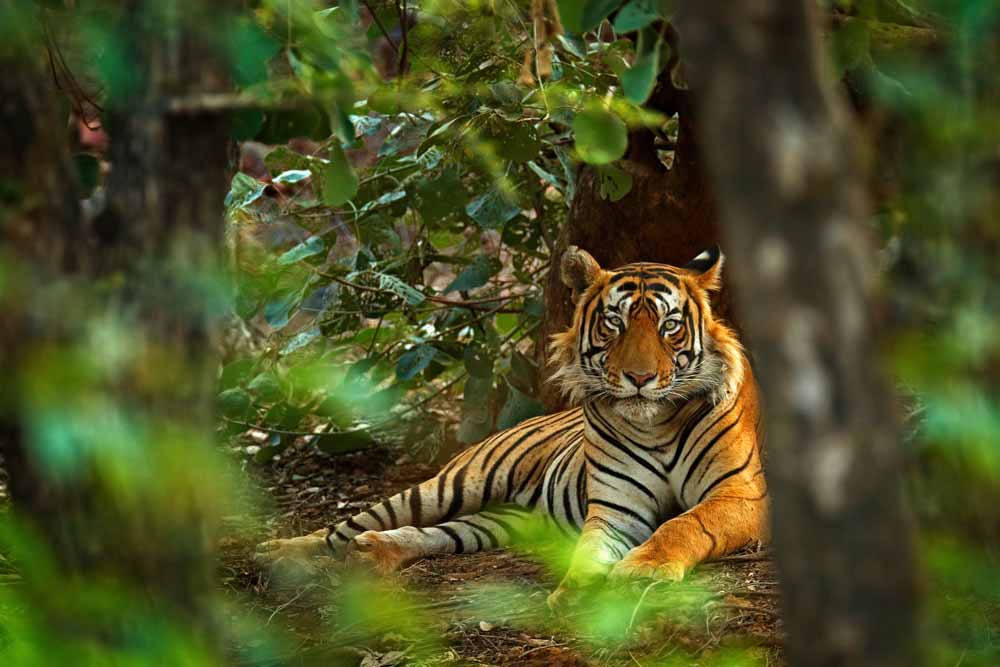
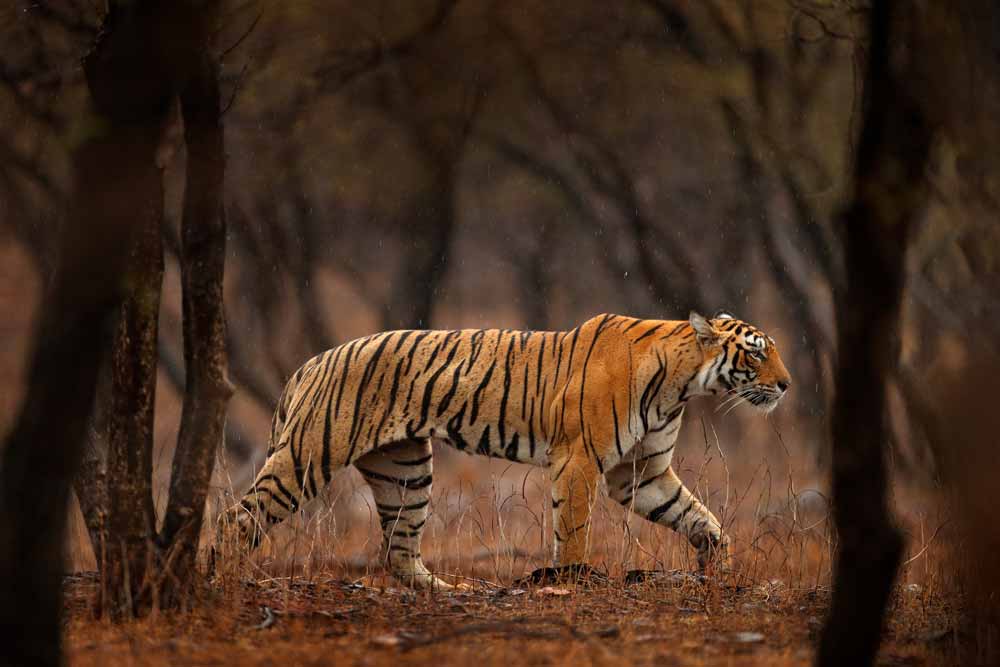
Leta 2010 je ostalo le še približno 3200 tigrov v naravi in zdelo se je, da vrsta hitro drvi proti izumrtju. Toda do lanskega leta se je populacija povečala na približno 5700 – kar pomeni 70-odstotno povečanje.
stock.adobe.com

Število atlantskih modroplavutih tunov se je zaradi desetletij prekomernega ribolova zmanjšalo. Zdaj so si populacije opomogle do te mere, da noben od njih ne velja za ogroženo.

stock.adobe.com

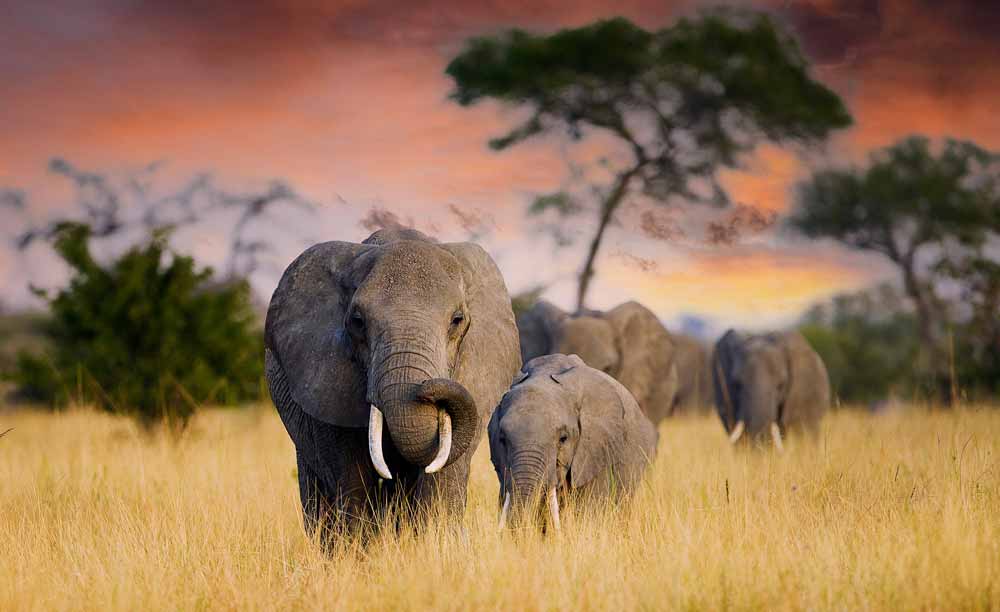
V Južni Afriki so sloni stabilni in njihova populacija se veča v mnogih krajih, kjer lokalne skupnosti vodijo upravljanje zemljišč, ki si jih delijo s to mogočno živaljo.
stock.adobe.com

Lani je zelena morska želva postala prva morska želva, ki je bila po desetletjih prizadevanj za ohranitev prestavljena s seznama z ogrožene na najmanj skrb vzbujajočo vrsto, kar v praksi pomeni, da gre za stabilno populacijo omenjene želve.

stock.adobe.com

Poročilo izpostavlja dokaze, da so populacije mnogih vrst stabilne ali okrevajo, skupaj z navdihujočimi zgodbami, ki kažejo, da si lahko narava opomore, če ji to le dovolimo.
(Visited 1 times, 1 visits today)
↑
Close

Center Nastavitev Zasebnosti

Obvezni piškotki

Shranijo uporabnikovo odločitev glede sprejemanja piškotkov.

gdpr[allowed_cookies], gdpr[consent_types]: beleži uporabniško odločitev glede sprejetja ali zavrnitev uporabe piškotkov. Veljavnost: 1 leto.

Socialna omrežja

Facebook vtičnik; za povečanje sodelovanja naših uporabnikov preko družbenih omrežij, analizo prodaje, segmentacijo uporabnikov in ponovno targetiranje uporabnikov

c_user, datr, fr, pl, presence, sb, wd, xs, pnl_data2, act

Analitika

Analitika nam omogoča, da merimo število uporabnikov v obliki obiskov in klikov.

advanced_ads_browser_width, advanced_ads_page_impressions, advanced_ads_pro_server_info, advanced_ads_pro_visitor_referrer
_ga: merjenje obiskanosti s storitvijo Google Analytics. Veljavnost: 2 leti. _gat: piškotek ne hrani uporabniških podatkov, uporablja se za omejevanje pogostosti zadetkov pri merjenju obiskanosti strani s storitvijo Google Analytics. Veljavnost: 10 minut. _gid: naključno ustvarjeno unikatno število se uporablja za izračun podatkov o obisku našega spletnega mesta. s storitvijo Google Analytics. Veljavnost: 24 ur.

Analiza obiska

To function properly, Hotjar stores first-party cookies on your visitor's browser. Cookies are either set by the Hotjar script, or by visiting Hotjar's website. Displaying the correct content to your visitors without personally identifying anyone relies on Hotjar's cookies.

_hjClosedSurveyInvites Hotjar cookie. This cookie is set once a visitor interacts with a Survey invitation modal popup. It is used to ensure that the same invite does not re-appear if it has already been shown. 365 days _hjDonePolls Hotjar cookie. This cookie is set once a visitor completes a poll using the Feedback Poll widget. It is used to ensure that the same poll does not re-appear if it has already been filled in. 365 days _hjMinimizedPolls Hotjar cookie. This cookie is set once a visitor minimizes a Feedback Poll widget. It is used to ensure that the widget stays minimizes when the visitor navigates through your site. 365 days _hjDoneTestersWidgets Hotjar cookie. This cookie is set once a visitor submits their information in the Recruit User Testers widget. It is used to ensure that the same form does not re-appear if it has already been filled in. 365 days _hjIncludedInSample Hotjar cookie. This session cookie is set to let Hotjar know whether that visitor is included in the sample which is used to generate funnels. 365 days _hjShownFeedbackMessage This cookie is set when a visitor minimizes or completes Incoming Feedback. This is done so that the Incoming Feedback will load as minimized immediately if they navigate to another page where it is set to show. 365 days _hjid Hotjar cookie. This cookie is set when the customer first lands on a page with the Hotjar script. It is used to persist the Hotjar User ID, unique to that site on the browser. This ensures that behavior in subsequent visits to the same site will be attributed to the same user ID. 365 days _hjRecordingLastActivity This should be found in sessionStorage (as opposed to cookies). This gets updated when a visitor recording starts and when data is sent through the WebSocket (the visitor performs an action that Hotjar records). Session hjTLDTest When the Hotjar script executes we try to determine the most generic cookie path we should use, instead of the page hostname. This is done so that cookies can be shared across subdomains (where applicable). To determine this, we try to store the _hjTLDTest cookie for different URL substring alternatives until it fails. After this check, the cookie is removed. Session _hjUserAttributesHash User Attributes sent through the Hotjar Identify API are cached for the duration of the session in order to know when an attribute has changed and needs to be updated. Session _hjCachedUserAttributes This cookie stores User Attributes which are sent through the Hotjar Identify API, whenever the user is not in the sample. These attributes will only be saved if the user interacts with a Hotjar Feedback tool. Session _hjLocalStorageTest This cookie is used to check if the Hotjar Tracking Script can use local storage. If it can, a value of 1 is set in this cookie. The data stored in_hjLocalStorageTest has no expiration time, but it is deleted immediately after creating it so the expected storage time is under 100ms. N/A _hjptid This cookie is set for logged in users of Hotjar, who have Admin Team Member permissions. It is used during pricing experiments to show the Admin consistent pricing across the site. Session _hjAbsoluteSessionInProgress The cookie is set so Hotjar can track the beginning of the user's journey for a total session count. It does not contain any identifiable information. 30 minutes