
Avtor VB | Foto: stock.adobe.com 3:17 pop KMETIJSTVO-IN-GOZDARSTVO

EU odpira vrata škropljenju z droni: manj pesticidov ali novo tveganje za okolje?

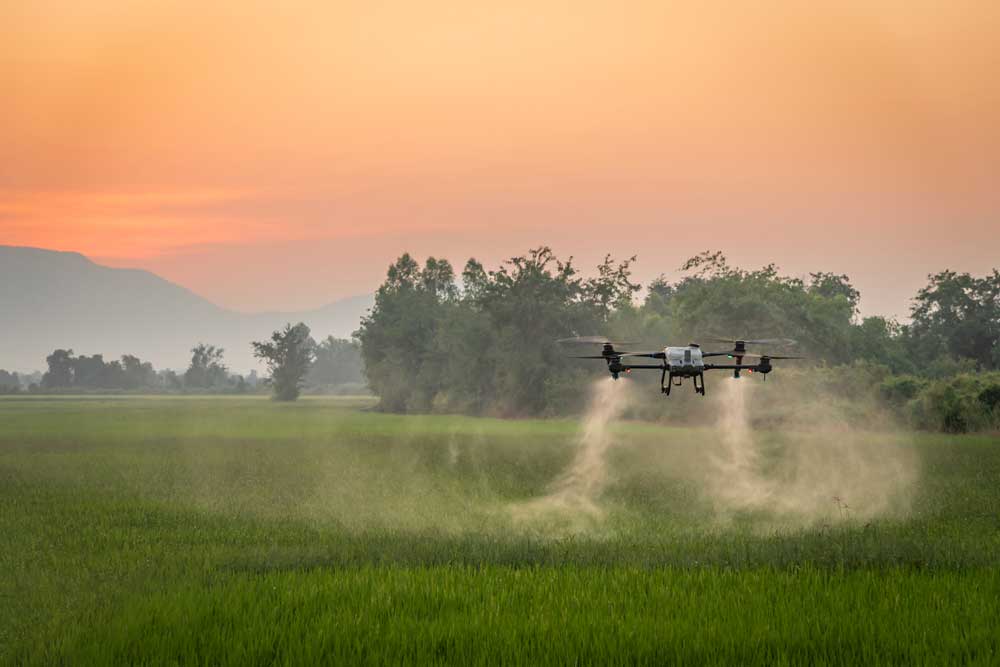
Droni bi lahko v evropskem kmetijstvu v kratkem dobili precej večjo vlogo.

Evropska unija pripravlja spremembo pravil, ki bi državam članicam olajšala dovoljevanje uporabe dronov za škropljenje s pesticidi. Zagovorniki poudarjajo možnost precej natančnejšega nanašanja, okoljevarstveniki pa opozarjajo, da o tveganjih še nimamo vseh odgovorov.

Po sedanji evropski zakonodaji se škropljenje z dronom namreč šteje za škropljenje iz zraka. Direktiva iz leta 2009 ga zato načeloma prepoveduje, države pa lahko dovolijo izjeme pod posebnimi pogoji. Evropska komisija ocenjuje, da so bila pravila oblikovana predvsem z mislijo na letala in helikopterje ter da ne sledijo več razvoju tehnologije.

Komisija je zato konec leta 2025 predlagala možnost splošnejših izjem za določene vrste dronov. Maja letos je Svet EU sprejel svoje pogajalsko stališče in podprl spremembo, vendar to še ne pomeni splošne odprave prepovedi. O končni zakonodaji se mora dogovoriti še z Evropskim parlamentom.

Zakaj sploh škropljenje z droni?

Glavni argument je natančnost. Dron lahko sredstvo nanaša na določene dele posevka, Komisija pa ugotavlja, da bi lahko bila uporaba pri nekaterih načinih škropljenja za uporabnika in okolje enako ali celo manj tvegana kot škropljenje s tal. Prav zato naj bi EFSA pripravila posebne smernice za ocenjevanje tveganja pesticidov, namenjenih uporabi z droni.

Toda vprašanje ostaja, koliko pesticida med letom odnese izven ciljnega območja in kateri tipi dronov so dovolj natančni. Predlagana pravila zato predvidevajo, da bi bili dovoljeni le ustrezno ocenjeni načini uporabe in sredstva, ki bi bila za uporabo z dronom tudi izrecno odobrena.

Droni lahko namesto pesticidov raznašajo tudi koristne žuželke

Tehnologija pa omogoča tudi povsem drugačen pristop. Droni se že uporabljajo oziroma preizkušajo za raznašanje koristnih žuželk, naravnih sovražnikov škodljivcev.

EU CAP Network navaja uporabo takšnih sistemov v sadovnjakih, vinogradih, na koruzi, jagodah in drugih kulturah. Raznos koristnih organizmov z dronom je lahko do desetkrat hitrejše od klasičnega načina in lahko pomaga zmanjševati potrebo po kemičnih sredstvih.

Evropska komisija biološko zatiranje škodljivcev vidi kot pomemben del bolj trajnostnega kmetijstva. Koristne žuželke, pršice in ogorčice lahko delujejo kot naravni sovražniki škodljivcev ter predstavljajo alternativo delu kemičnih pesticidov.

Droni bi tako lahko v prihodnosti nad evropskimi polji počeli dve skoraj nasprotni stvari: natančneje nanašali pesticide ali pa pomagali kmetom, da jih potrebujejo manj.


Preberite tudi:

Za zaustavitev upadanja števila žuželk bo treba kmetovati bolj okolju prijazno

Škropiva (FFS) niso nedolžna: vsaka napačna uporaba udari po čebelah – in nazaj po nas

(Visited 12 times, 12 visits today)
Close

Center Nastavitev Zasebnosti

Obvezni piškotki

Shranijo uporabnikovo odločitev glede sprejemanja piškotkov.

gdpr[allowed_cookies], gdpr[consent_types]: beleži uporabniško odločitev glede sprejetja ali zavrnitev uporabe piškotkov. Veljavnost: 1 leto.

Socialna omrežja

Facebook vtičnik; za povečanje sodelovanja naših uporabnikov preko družbenih omrežij, analizo prodaje, segmentacijo uporabnikov in ponovno targetiranje uporabnikov

c_user, datr, fr, pl, presence, sb, wd, xs, pnl_data2, act

Analitika

Analitika nam omogoča, da merimo število uporabnikov v obliki obiskov in klikov.

advanced_ads_browser_width, advanced_ads_page_impressions, advanced_ads_pro_server_info, advanced_ads_pro_visitor_referrer
_ga: merjenje obiskanosti s storitvijo Google Analytics. Veljavnost: 2 leti. _gat: piškotek ne hrani uporabniških podatkov, uporablja se za omejevanje pogostosti zadetkov pri merjenju obiskanosti strani s storitvijo Google Analytics. Veljavnost: 10 minut. _gid: naključno ustvarjeno unikatno število se uporablja za izračun podatkov o obisku našega spletnega mesta. s storitvijo Google Analytics. Veljavnost: 24 ur.

Analiza obiska

To function properly, Hotjar stores first-party cookies on your visitor's browser. Cookies are either set by the Hotjar script, or by visiting Hotjar's website. Displaying the correct content to your visitors without personally identifying anyone relies on Hotjar's cookies.

_hjClosedSurveyInvites Hotjar cookie. This cookie is set once a visitor interacts with a Survey invitation modal popup. It is used to ensure that the same invite does not re-appear if it has already been shown. 365 days _hjDonePolls Hotjar cookie. This cookie is set once a visitor completes a poll using the Feedback Poll widget. It is used to ensure that the same poll does not re-appear if it has already been filled in. 365 days _hjMinimizedPolls Hotjar cookie. This cookie is set once a visitor minimizes a Feedback Poll widget. It is used to ensure that the widget stays minimizes when the visitor navigates through your site. 365 days _hjDoneTestersWidgets Hotjar cookie. This cookie is set once a visitor submits their information in the Recruit User Testers widget. It is used to ensure that the same form does not re-appear if it has already been filled in. 365 days _hjIncludedInSample Hotjar cookie. This session cookie is set to let Hotjar know whether that visitor is included in the sample which is used to generate funnels. 365 days _hjShownFeedbackMessage This cookie is set when a visitor minimizes or completes Incoming Feedback. This is done so that the Incoming Feedback will load as minimized immediately if they navigate to another page where it is set to show. 365 days _hjid Hotjar cookie. This cookie is set when the customer first lands on a page with the Hotjar script. It is used to persist the Hotjar User ID, unique to that site on the browser. This ensures that behavior in subsequent visits to the same site will be attributed to the same user ID. 365 days _hjRecordingLastActivity This should be found in sessionStorage (as opposed to cookies). This gets updated when a visitor recording starts and when data is sent through the WebSocket (the visitor performs an action that Hotjar records). Session hjTLDTest When the Hotjar script executes we try to determine the most generic cookie path we should use, instead of the page hostname. This is done so that cookies can be shared across subdomains (where applicable). To determine this, we try to store the _hjTLDTest cookie for different URL substring alternatives until it fails. After this check, the cookie is removed. Session _hjUserAttributesHash User Attributes sent through the Hotjar Identify API are cached for the duration of the session in order to know when an attribute has changed and needs to be updated. Session _hjCachedUserAttributes This cookie stores User Attributes which are sent through the Hotjar Identify API, whenever the user is not in the sample. These attributes will only be saved if the user interacts with a Hotjar Feedback tool. Session _hjLocalStorageTest This cookie is used to check if the Hotjar Tracking Script can use local storage. If it can, a value of 1 is set in this cookie. The data stored in_hjLocalStorageTest has no expiration time, but it is deleted immediately after creating it so the expected storage time is under 100ms. N/A _hjptid This cookie is set for logged in users of Hotjar, who have Admin Team Member permissions. It is used during pricing experiments to show the Admin consistent pricing across the site. Session _hjAbsoluteSessionInProgress The cookie is set so Hotjar can track the beginning of the user's journey for a total session count. It does not contain any identifiable information. 30 minutes