
Avtor ur; foto: stock.adobe.com 5:00 pop ZANIMIVO

Stotisoči rib v toksikoloških testiranjih v EU

Ribe v središču razprave o testiranju kemikalij: nova analiza razkriva obseg testov po REACH

Nova znanstvena analiza, objavljena v reviji ALTEX (oktober 2025), prvič sistematično ocenjuje uporabo rib v toksikoloških preskusih, ki jih zahteva evropska uredba REACH (Registration, Evaluation, Authorisation and Restriction of Chemicals).

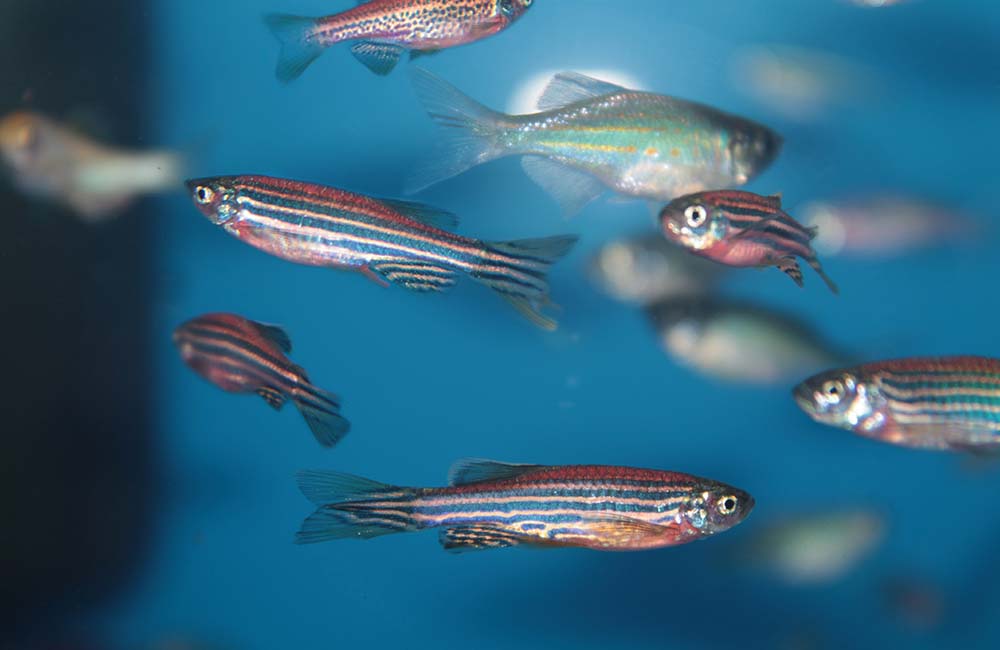
Študija razkriva, da je bilo stotisoče rib – predvsem zebric (Danio rerio) – uporabljenih v testih, namenjenih ugotavljanju toksičnosti in bioakumulacije kemikalij.

Gre za prvo celovito oceno obsega tovrstnih testov v Evropski uniji in pomemben prispevek k razpravi o tem, ali trenutni pristopi dejansko zagotavljajo najbolj sorazmerno in učinkovito varovanje zdravja ljudi ter okolja.

Uporaba rib in drugih živali nujna za strogo uredbe?

Avtorji so pregledali štiri glavne kategorije testov, ki vključujejo ribe: kratkotrajno in dolgotrajno toksičnost, endokrino motenje ter bioakumulacijo. Ugotovili so, da se ribe uporabljajo v znatnem obsegu in da bi lahko regulativne spremembe v prihodnje še povečale potrebo po teh testih.

Študija ne izpostavlja le številk, temveč predvsem vprašanje sorazmernosti: ali je uporaba živali v takšnem obsegu nujna za dosego ciljev uredbe in ali bi lahko nove znanstvene metode ponudile enakovredno ali celo boljšo zaščito okolja.

Druga analiza, objavljena leta 2024 v reviji Regulatory Toxicology & Pharmacology, opozarja, da se načelo REACH – da se poskusi na živalih uporabijo samo, kadar ni drugih možnosti – v praksi pogosto ne izvaja v celoti. Avtorji ugotavljajo, da se številni testi ponavljajo, ker organi ne sprejemajo obstoječih podatkov iz alternativnih virov ali in silico modelov.

To vodi do nepotrebnega trpljenja živali in dodatnih stroškov, ne da bi nujno povečalo kakovost ocene tveganja.

Kako v prihodnje?

Znanstvena skupnost vse bolj poudarja, da bi morali biti sodobni pristopi brez uporabe živali – kot so in vitro testi, računalniško modeliranje in integrirane strategije dokazov – ključni element prihodnjih revizij REACH. Tak pristop bi lahko zagotovil hitrejše, cenejše in bolj relevantne podatke o nevarnostih kemikalij, obenem pa bistveno zmanjšal število uporabljenih živali.

Evropska komisija je že napovedala pripravo časovnega načrta za postopno opuščanje poskusov na živalih v presoji kemijske varnosti, kar bi lahko predstavljalo prelomnico v politiki EU na tem področju.

Pomen za okolje in znanost

Razprava o testiranju na ribah presega vprašanje etike – gre tudi za kakovost znanstvenih podatkov. Ribe so sicer pomembni modeli za razumevanje vpliva kemikalij na vodne ekosisteme, vendar imajo nove metode potencial, da rezultate približajo dejanskim okoljskim razmeram in zmanjšajo število živali, ki trpijo v laboratorijih.
S tem bi lahko Evropa okrepila svoj položaj vodilne sile v trajnostni kemijski politiki, kjer se varnost ljudi in okolja dosega z uporabo pametnejše znanosti in ne z več testiranja.


(Visited 47 times, 4 visits today)
Close

Center Nastavitev Zasebnosti

Obvezni piškotki

Shranijo uporabnikovo odločitev glede sprejemanja piškotkov.

gdpr[allowed_cookies], gdpr[consent_types]: beleži uporabniško odločitev glede sprejetja ali zavrnitev uporabe piškotkov. Veljavnost: 1 leto.

Socialna omrežja

Facebook vtičnik; za povečanje sodelovanja naših uporabnikov preko družbenih omrežij, analizo prodaje, segmentacijo uporabnikov in ponovno targetiranje uporabnikov

c_user, datr, fr, pl, presence, sb, wd, xs, pnl_data2, act

Analitika

Analitika nam omogoča, da merimo število uporabnikov v obliki obiskov in klikov.

advanced_ads_browser_width, advanced_ads_page_impressions, advanced_ads_pro_server_info, advanced_ads_pro_visitor_referrer
_ga: merjenje obiskanosti s storitvijo Google Analytics. Veljavnost: 2 leti. _gat: piškotek ne hrani uporabniških podatkov, uporablja se za omejevanje pogostosti zadetkov pri merjenju obiskanosti strani s storitvijo Google Analytics. Veljavnost: 10 minut. _gid: naključno ustvarjeno unikatno število se uporablja za izračun podatkov o obisku našega spletnega mesta. s storitvijo Google Analytics. Veljavnost: 24 ur.

Analiza obiska

To function properly, Hotjar stores first-party cookies on your visitor's browser. Cookies are either set by the Hotjar script, or by visiting Hotjar's website. Displaying the correct content to your visitors without personally identifying anyone relies on Hotjar's cookies.

_hjClosedSurveyInvites Hotjar cookie. This cookie is set once a visitor interacts with a Survey invitation modal popup. It is used to ensure that the same invite does not re-appear if it has already been shown. 365 days _hjDonePolls Hotjar cookie. This cookie is set once a visitor completes a poll using the Feedback Poll widget. It is used to ensure that the same poll does not re-appear if it has already been filled in. 365 days _hjMinimizedPolls Hotjar cookie. This cookie is set once a visitor minimizes a Feedback Poll widget. It is used to ensure that the widget stays minimizes when the visitor navigates through your site. 365 days _hjDoneTestersWidgets Hotjar cookie. This cookie is set once a visitor submits their information in the Recruit User Testers widget. It is used to ensure that the same form does not re-appear if it has already been filled in. 365 days _hjIncludedInSample Hotjar cookie. This session cookie is set to let Hotjar know whether that visitor is included in the sample which is used to generate funnels. 365 days _hjShownFeedbackMessage This cookie is set when a visitor minimizes or completes Incoming Feedback. This is done so that the Incoming Feedback will load as minimized immediately if they navigate to another page where it is set to show. 365 days _hjid Hotjar cookie. This cookie is set when the customer first lands on a page with the Hotjar script. It is used to persist the Hotjar User ID, unique to that site on the browser. This ensures that behavior in subsequent visits to the same site will be attributed to the same user ID. 365 days _hjRecordingLastActivity This should be found in sessionStorage (as opposed to cookies). This gets updated when a visitor recording starts and when data is sent through the WebSocket (the visitor performs an action that Hotjar records). Session hjTLDTest When the Hotjar script executes we try to determine the most generic cookie path we should use, instead of the page hostname. This is done so that cookies can be shared across subdomains (where applicable). To determine this, we try to store the _hjTLDTest cookie for different URL substring alternatives until it fails. After this check, the cookie is removed. Session _hjUserAttributesHash User Attributes sent through the Hotjar Identify API are cached for the duration of the session in order to know when an attribute has changed and needs to be updated. Session _hjCachedUserAttributes This cookie stores User Attributes which are sent through the Hotjar Identify API, whenever the user is not in the sample. These attributes will only be saved if the user interacts with a Hotjar Feedback tool. Session _hjLocalStorageTest This cookie is used to check if the Hotjar Tracking Script can use local storage. If it can, a value of 1 is set in this cookie. The data stored in_hjLocalStorageTest has no expiration time, but it is deleted immediately after creating it so the expected storage time is under 100ms. N/A _hjptid This cookie is set for logged in users of Hotjar, who have Admin Team Member permissions. It is used during pricing experiments to show the Admin consistent pricing across the site. Session _hjAbsoluteSessionInProgress The cookie is set so Hotjar can track the beginning of the user's journey for a total session count. It does not contain any identifiable information. 30 minutes