Avtor VB | Foto: stock.adobe.com 2:42 pop GOSPODARSTVO

Evropa stavi na biogospodarstvo: odpadki kot surovina

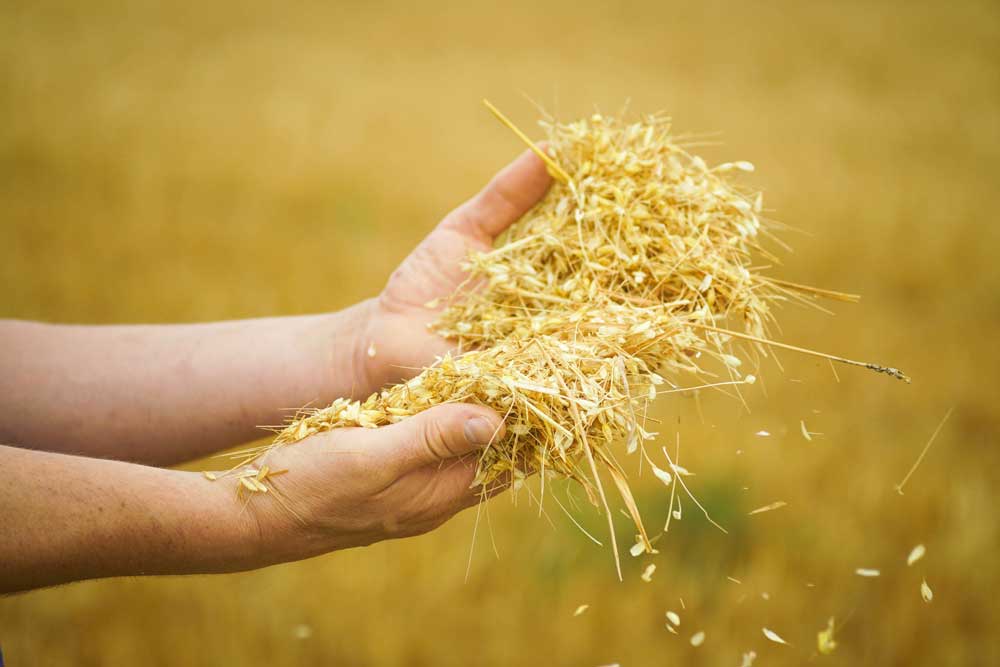
Slama po žetvi običajno ostane na polju. Lesni ostanki pogosto končajo kot kurjava. Toda prav v takšnih materialih Evropska unija vidi del svoje gospodarske prihodnosti.

V Bruslju namreč vse več pozornosti namenjajo biogospodarstvu – področju, ki želi fosilne surovine postopoma nadomeščati z obnovljivimi biološkimi viri.

Cilj je ambiciozen: manj odvisnosti od nafte, manj odpadkov in več izdelkov, narejenih iz virov, ki jih je mogoče obnoviti.

Prehod na obnovljive vire

V zadnjih letih raziskovalci in podjetja razvijajo tehnologije, s katerimi bi del izdelkov iz nafte lahko nastajal iz lesa, rastlinskih ostankov ali drugih bioloških materialov.

Odpadek kot surovina

Ena od osrednjih idej biogospodarstva je preprosta: zakaj bi dragocene materiale zavrgli, če jih je mogoče ponovno uporabiti?

Po spravilu poljščin vsako leto nastanejo velike količine rastlinskih ostankov. Podobno velja za živilsko industrijo, lesnopredelovalna podjetja in številne druge panoge. Velik del teh materialov danes še vedno nima posebej visoke dodane vrednosti.

V biogospodarstvu pa takšni ostanki postanejo surovina. Iz njih je namreč mogoče izdelovati bioplastiko, gradbene materiale, kemikalije, tekstilna vlakna in številne druge izdelke, ki jih danes večinoma povezujemo s fosilnimi viri.

Zagovorniki takšnega pristopa poudarjajo, da ne gre le za okoljski vidik.

Večja izraba domačih virov lahko pomeni tudi manjšo odvisnost od uvoza surovin in večjo gospodarsko odpornost.

Zakaj so alge postale tako zanimive?

Če obstaja simbol evropskega biogospodarstva, so to verjetno alge. Rastejo hitro, ne potrebujejo rodovitnih kmetijskih zemljišč in za rast ne tekmujejo neposredno s pridelavo hrane. Zato jih številni raziskovalci vidijo kot enega najbolj obetavnih virov prihodnosti.

Iz alg danes nastajajo prehranska dopolnila in kozmetični izdelki, v prihodnje pa bi jih lahko uporabljali tudi za proizvodnjo bioplastike, posebnih kemikalij in nekaterih industrijskih materialov.

Čeprav so številne tehnologije še v razvoju, vlaganja v raziskave na tem področju hitro naraščajo.

Tudi Slovenija ima svoje adute na področju biogospodarstva

Po deležu gozdov sodi med najbolj gozdnate države v Evropi. Poleg tega ima razvito lesnopredelovalno industrijo, močan kmetijski sektor in bogato raziskovalno znanje na področju biotehnologije.

Prav les je pogosto omenjen kot eden od materialov, ki bi lahko imel v prihodnjih desetletjih pomembnejšo vlogo v evropskem gospodarstvu. Ne le v gradbeništvu, temveč tudi pri razvoju novih materialov in izdelkov z višjo dodano vrednostjo.

Biogospodarstvo ima veliko podpornikov, vendar tudi kritike

Nekateri opozarjajo, da bi lahko pretirano izkoriščanje bioloških virov povzročilo nove pritiske na gozdove, kmetijska zemljišča in ekosisteme. Drugi poudarjajo, da vseh izdelkov iz fosilnih virov ne bo mogoče preprosto nadomestiti z biološkimi alternativami.


(Visited 8 times, 8 visits today)
Close

Center Nastavitev Zasebnosti

Obvezni piškotki

Shranijo uporabnikovo odločitev glede sprejemanja piškotkov.

gdpr[allowed_cookies], gdpr[consent_types]: beleži uporabniško odločitev glede sprejetja ali zavrnitev uporabe piškotkov. Veljavnost: 1 leto.

Socialna omrežja

Facebook vtičnik; za povečanje sodelovanja naših uporabnikov preko družbenih omrežij, analizo prodaje, segmentacijo uporabnikov in ponovno targetiranje uporabnikov

c_user, datr, fr, pl, presence, sb, wd, xs, pnl_data2, act

Analitika

Analitika nam omogoča, da merimo število uporabnikov v obliki obiskov in klikov.

advanced_ads_browser_width, advanced_ads_page_impressions, advanced_ads_pro_server_info, advanced_ads_pro_visitor_referrer
_ga: merjenje obiskanosti s storitvijo Google Analytics. Veljavnost: 2 leti. _gat: piškotek ne hrani uporabniških podatkov, uporablja se za omejevanje pogostosti zadetkov pri merjenju obiskanosti strani s storitvijo Google Analytics. Veljavnost: 10 minut. _gid: naključno ustvarjeno unikatno število se uporablja za izračun podatkov o obisku našega spletnega mesta. s storitvijo Google Analytics. Veljavnost: 24 ur.

Analiza obiska

To function properly, Hotjar stores first-party cookies on your visitor's browser. Cookies are either set by the Hotjar script, or by visiting Hotjar's website. Displaying the correct content to your visitors without personally identifying anyone relies on Hotjar's cookies.

_hjClosedSurveyInvites Hotjar cookie. This cookie is set once a visitor interacts with a Survey invitation modal popup. It is used to ensure that the same invite does not re-appear if it has already been shown. 365 days _hjDonePolls Hotjar cookie. This cookie is set once a visitor completes a poll using the Feedback Poll widget. It is used to ensure that the same poll does not re-appear if it has already been filled in. 365 days _hjMinimizedPolls Hotjar cookie. This cookie is set once a visitor minimizes a Feedback Poll widget. It is used to ensure that the widget stays minimizes when the visitor navigates through your site. 365 days _hjDoneTestersWidgets Hotjar cookie. This cookie is set once a visitor submits their information in the Recruit User Testers widget. It is used to ensure that the same form does not re-appear if it has already been filled in. 365 days _hjIncludedInSample Hotjar cookie. This session cookie is set to let Hotjar know whether that visitor is included in the sample which is used to generate funnels. 365 days _hjShownFeedbackMessage This cookie is set when a visitor minimizes or completes Incoming Feedback. This is done so that the Incoming Feedback will load as minimized immediately if they navigate to another page where it is set to show. 365 days _hjid Hotjar cookie. This cookie is set when the customer first lands on a page with the Hotjar script. It is used to persist the Hotjar User ID, unique to that site on the browser. This ensures that behavior in subsequent visits to the same site will be attributed to the same user ID. 365 days _hjRecordingLastActivity This should be found in sessionStorage (as opposed to cookies). This gets updated when a visitor recording starts and when data is sent through the WebSocket (the visitor performs an action that Hotjar records). Session hjTLDTest When the Hotjar script executes we try to determine the most generic cookie path we should use, instead of the page hostname. This is done so that cookies can be shared across subdomains (where applicable). To determine this, we try to store the _hjTLDTest cookie for different URL substring alternatives until it fails. After this check, the cookie is removed. Session _hjUserAttributesHash User Attributes sent through the Hotjar Identify API are cached for the duration of the session in order to know when an attribute has changed and needs to be updated. Session _hjCachedUserAttributes This cookie stores User Attributes which are sent through the Hotjar Identify API, whenever the user is not in the sample. These attributes will only be saved if the user interacts with a Hotjar Feedback tool. Session _hjLocalStorageTest This cookie is used to check if the Hotjar Tracking Script can use local storage. If it can, a value of 1 is set in this cookie. The data stored in_hjLocalStorageTest has no expiration time, but it is deleted immediately after creating it so the expected storage time is under 100ms. N/A _hjptid This cookie is set for logged in users of Hotjar, who have Admin Team Member permissions. It is used during pricing experiments to show the Admin consistent pricing across the site. Session _hjAbsoluteSessionInProgress The cookie is set so Hotjar can track the beginning of the user's journey for a total session count. It does not contain any identifiable information. 30 minutes